
In legal proceedings, photographic evidence typically serves to supplement or corroborate other forms of evidence.
However a real life case study presents an exceptional instance, where photographic evidence formed the substantive basis for the prosecution’s case in a criminal trial, highlighting potential pitfalls in relying solely on visual data and the critical role of rigorous forensic photography methodology.
The case involved the demise of an individual discovered beside a busy roadway beneath a bridge. A significant delay preceded police involvement, including a week before the commencement of a forensic autopsy. Subsequently, a police officer captured a series of snapshots of the deceased at the mortuary, a subset of which were later introduced as evidence by the prosecution. These images became the cornerstone of the prosecution’s case against several individuals charged with murder.
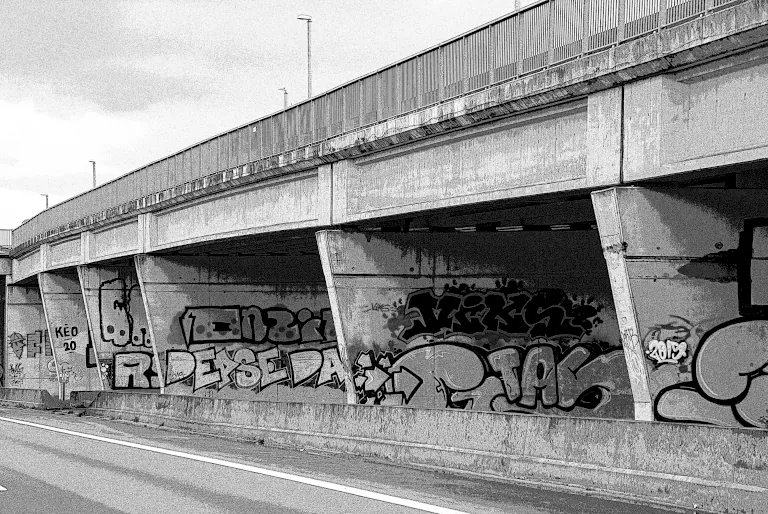
The prosecution’s theory centred on a specific mark observed on the deceased, alleging a visual resemblance to a common implement often found in the trunks of vehicles. This hypothesis, presented to the jury, lacked corroborative witness testimony regarding the suspects’ direct involvement in the incident. Consequently, the weight of the prosecution’s case appeared to disproportionately rely on the photographic evidence obtained by the police officer more than a week after the event.
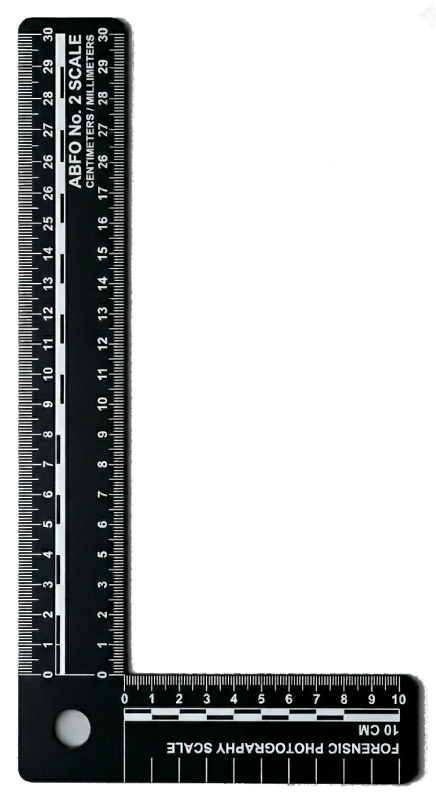
Despite police testimony regarding the veracity and accuracy of the photographs, and the prosecution’s enthusiastic presentation of the evidence as supportive of their theory, a critical review revealed significant shortcomings in the photographic methodology. The mortuary photographs, captured on 35mm film (it was pre-digital age) using a rudimentary “flash on camera” technique, exhibited poor quality and lacked essential details such as a measurement scale. Information relating to camera-subject distance and precise lens focal length was also vague.
These images fell considerably short of professional forensic photographic standards, lacking the necessary detail and control for objective analysis. At best they could only be regarded as a basic aide-mémoire and it was not possible to definitively determine the shape and size of the mark in question based on these photographs.
The prosecution also introduced additional photographs comparing the mark on the deceased to the suspect implement, generated by a police officer. Crucially, no independent mechanical fit analysis conducted by a qualified forensic scientist was presented to support this visual comparison.
The defence argued that the prosecution’s hypothesis, founded on the limitations of the photographic evidence, could not be substantiated beyond a reasonable doubt. While the jury initially returned a guilty verdict, a subsequent appeal resulted in the acquittal of the defendants.
This real-life case involved an Australian police force, with certain details omitted for legal and privacy considerations, and serves as a compelling illustration of the inherent potential for bias and misinterpretation within photographic evidence. It shows the importance of adhering to rigorous scientific methodologies and utilising the expertise of qualified forensic photographers, accompanied by independent analysis where necessary, to guarantee the integrity and reliability of such evidence within legal proceedings.
Whether it’s a matter of ignorance or so called ‘noble cause’ corruption, this case underscores the critical role of context and presentation in shaping how photographs are perceived – potentially influencing legal outcomes and public opinion.